
"British coffee decline"
300 article(s) found

The reason why British people like to drink tea comes from the alternation of tea culture and coffee culture.
It is known all over the world that English people are addicted to tea. But from the mid-17th century to the early 18th century, the whole of London was soaked in coffee instead of tea. British men switch from drinking to drinking coffee, or both. When they get drunk in a pub, they go to the cafe to sober up with caffeine, and then go to the pub to continue drinking. But King Charles II of England banned cafes in 1675.

In the coffee popular area, the British prefer to drink tea.
The British like to drink tea, but people living around Britain are keen on another kind of drink, coffee. Why did the British fall in love with that cup of tea surrounded by the coffee epidemic area?

More and more Britons choose to spend their afternoon tea in cafes.
Following Ka Ping (Wechat official account vdailycom) found that the beautiful cafe opened its own shop for afternoon tea, which is a symbol of elegant English life. On a drizzling afternoon, sipping a cup of mellow English black tea by the fireplace and sipping muffins from time to time, it is leisurely and cozy. The British love affair with afternoon tea can be traced back to the mid-19th century. According to legend, the legend of afternoon tea

In the coffee popular area, the British prefer to drink tea.
The British like to drink tea, but people living around Britain are keen on another kind of drink, coffee. The Nordic region, located in the north of England, is the most coffee-hungry region in the world. The five Nordic countries occupy the first, second, third, fourth and sixth places in the ranking of coffee consumption per capita, respectively, while Belgium, which ranks eighth, faces the United Kingdom across the sea. Why are the British?

In the coffee popular area, the British prefer to drink tea.
The British like to drink tea, but people living around Britain are keen on another kind of drink, coffee. The Nordic region, located in the north of England, is the most coffee-hungry region in the world. The five Nordic countries occupy the first, second, third, fourth and sixth places in the ranking of coffee consumption per capita, respectively, while Belgium, which ranks eighth, faces the United Kingdom across the sea. Why are the British?
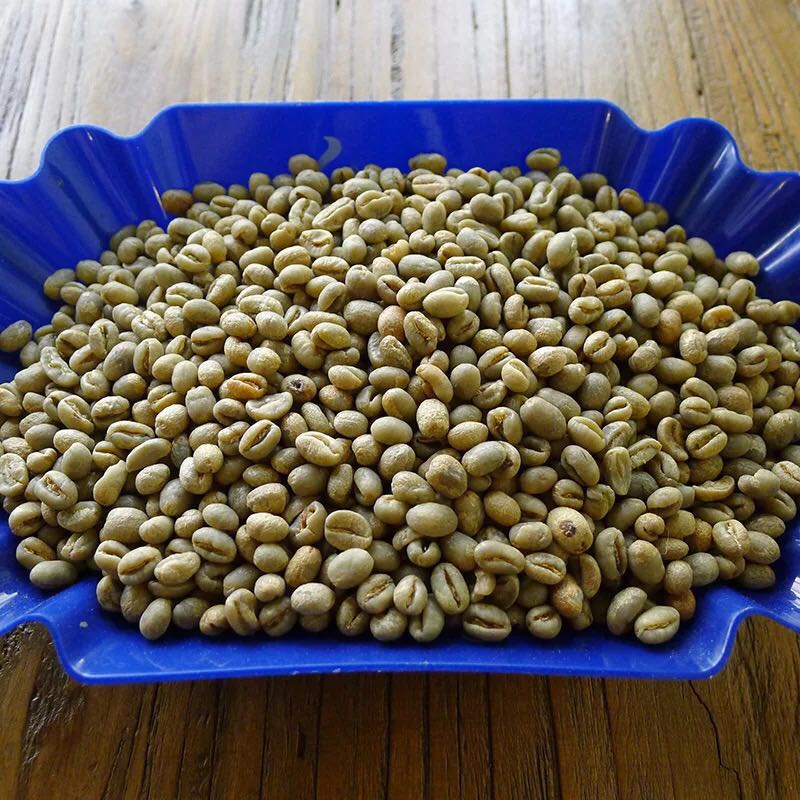
Kenyan coffee taste Kenyan coffee bean price Kenyan coffee taste coffee bean origin
The Kenyan government takes the coffee industry very seriously, where it is illegal to cut down or destroy coffee trees. Kenyan coffee buyers are world-class high-quality coffee buyers, and no other country can grow, produce and sell coffee on a continuous basis like Kenya. All the coffee beans were first acquired by the Kenya Coffee Commission (CoffeeBoardofKenya, CBK).

What is Xinglong Coffee? Is Xinglong coffee good? Look at the rise and fall of coffee.
Professional coffee knowledge exchange More coffee bean information Please pay attention to Coffee Workshop (Weixin Official Accounts cafe_style) Xinglong Coffee_Hainan Xinglong Coffee_Authentic Xinglong Coffee Hainan Xinglong Overseas Chinese Farm was founded in the early 1950s. It is the golden signboard of Chinese coffee and is now a comprehensive overseas Chinese tourism economic zone. Walk into Xinglong, do not drink a cup of coffee, even if it is white.
Introduction of boutique Kenyan coffee beans the characteristics of fine Kenyan coffee beans
Kenya is bordered to the north by Ethiopia, the origin of Arabica coffee trees, but it was not until the beginning of the 20th century that coffee cultivation began. In the 19th century, missionaries introduced Arabica trees from the leaves, but did not plant them in large quantities. It was not until 1893 that coffee was cultivated on a large scale because of the introduction of Brazil's ancient bourbon seeds. That is to say, Kenyan coffee is of Brazilian origin, because of water.
Coffee culture changes British people who once loved coffee changed to drink tea.
The British like to drink tea, but people living around Britain are keen on another kind of drink, coffee. The Nordic region, located in the north of England, is the most coffee-hungry region in the world. The five Nordic countries occupy the first, second, third, fourth and sixth places in the ranking of coffee consumption per capita, respectively, while Belgium, which ranks eighth, faces the United Kingdom across the sea. Why are the British?

Where coffee is popular, Britons prefer tea?
British people love tea, but people living around Britain are keen on another drink, coffee. Northern Europe, north of Britain, is the most coffee-crazed region in the world. The five Nordic countries occupy the first, second, third, fourth and sixth positions in the coffee consumption ranking table per capita, while Belgium, which ranks eighth, faces Britain across the sea. why the British

Introduction of Kenyan Fine Coffee Kenny
Some buyers, especially Japanese businessmen, have expressed dissatisfaction with the Kenyan coffee industry system. Some businessmen say that the quality of coffee in the country has declined, and point out that buying directly from farmers may be a way to improve the quality. But in any case, Kenya's detailed rules and regulations and sound procedures are a model for all coffee producing countries to learn from.

Characteristics of boutique Kenyan coffee introduction of Kenyan coffee
Kenya Coffee Kenya Coffee Kenya is the origin of Arabica coffee trees in Kenya, but it was not until the beginning of the 20th century that coffee cultivation began. Missionaries introduced Arabica trees from the leaves in the 19th century, but did not plant them in large quantities. It was not until 1893 that coffee was cultivated on a large scale after the introduction of Brazil's ancient bourbon seeds.

Introduction of Coffee planting Environment in Kenya Coffee Manor is introduced in the production area of Berman Manor
When coffee first arrived, Kenya was under British rule, and coffee cultivation was promoted to earn foreign exchange. In 1963, when Kenya became independent, the status of coffee did not decline, but was consolidated and was an important component of Kenya's trade income. Kenya Coffee growing area Kenya's coffee producing areas are mainly concentrated in Mount Kenya (Mt. The plateau region represented by Kenya). Tropical gas

Tanzanian coffee characteristics Tanzanian coffee origin
There are two types of coffee farms in Kenya. One is a large plantation covering more than five acres, but the average elevation is lower. For Kenya coffee, the coffee beans of the large farm are only moderate in quality. The best Kenyan beans are grown on small farms, mostly in the foothills or firehills above five or six thousand feet. Each small farmer can produce only about 20 to 70 bags per season.

Why do Englishmen who once loved coffee drink tea instead?
The British like to drink tea, but people living around Britain are keen on another kind of drink, coffee. The Nordic region, located in the north of England, is the most coffee-hungry region in the world. The five Nordic countries occupy the first, second, third, fourth and sixth places in the ranking of coffee consumption per capita, respectively, while Belgium, which ranks eighth, faces the United Kingdom across the sea. Why are the British?

Englishmen who used to love coffee drink tea instead.
The British like to drink tea, but people living around Britain are keen on another kind of drink, coffee. The Nordic region, located in the north of England, is the most coffee-hungry region in the world. The five Nordic countries occupy the first, second, third, fourth and sixth places in the ranking of coffee consumption per capita, respectively, while Belgium, which ranks eighth, faces the United Kingdom across the sea. Why are the British?
Characteristics of Kenyan coffee beans how much is the Kenyan Kenya AA coffee boutique coffee beans per jin
It entered Kenya in the 19th century, when Ethiopian coffee drinks were imported into Kenya through southern Yemen. But it was not until the early 20th century that the bourbon was introduced by the St. Austen Mission (St.AustinMission). Kenyan coffee is mostly grown at an altitude of 1500m, 2100m, and is harvested twice a year. To ensure that only ripe berries are picked, people must be in the forest

What are the characteristics of Kenyan coffee varieties? why do Kenyan AA coffee beans taste so sour?
Professional Coffee knowledge Exchange more information on coffee beans Please follow the front street of Coffee Workshop (official Wechat account cafe_style)-Coffee Kenya introduces the Kenyan government takes coffee industry very seriously, where it is illegal to cut down or destroy coffee trees. The coffee buyers in Kenya are all world-class quality coffee.

Two major coffee producing areas in Kenya introduce the Central Mountain area of Nyeri-Ethiopia
Kenya coffee fruit Kenya coffee Kenya coffee atlas do not underestimate Kenyan small farmers, they are no less ant soldiers, the overall production capacity is higher than large farms, about six to four, which is quite rare in bean-producing countries. Kenyan coffee is widely appreciated by connoisseurs, thanks in large part to small farmers guarding the foothills and producing high-quality coffee. In addition, Kenya beans must have a strict grading system.

Boutique Kenyan coffee Kenyan coffee beans feature Kenyan coffee taste
It entered Kenya in the 19th century, when Ethiopian coffee drinks were imported into Kenya through southern Yemen. But it was not until the early 20th century that the bourbon was introduced by the St. Austen Mission (St.AustinMission). Kenyan coffee is mostly grown at an altitude of 1500m, 2100m, and is harvested twice a year. To ensure that only ripe berries are picked, people must be in the forest